This book provides a detailed technical and business introduction to SSL VPN. It explains how SSL VPN devices work along with their benefits and pitfalls. As well as covering SSL VPN technologies, the book also looks at how to authenticate and educate usersa vital element in ensuring that the security of remote locations is not compromised. After that, you will see strategies for making legacy applications accessible via the SSL VPN. Written in a highly readable style, it provides a vendorneutral introduction to SSL VPN technology for system architects, analysts, and managers engaged in evaluating and planning an SSL VPN implementation. You will learn: * How SSL VPN technology works, and how it fits into existing network architectures * Evaluating SSL VPN for your organization * What to look out for when talking to vendors * How to plan an SSL VPN implementation for your business * Educating staff to maintain SSL VPN security * Strategies for providing access to internal legacy applications via SSL VPN * Likely trends and possibilities for the future of SSL VPN
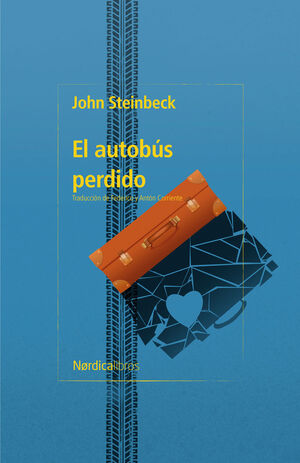
John Steinbeck nació en Salinas, California, en 1902 y murió en Nueva York en 1968. Tras dejar la Universidad de Stanford
antes de graduarse, ejerció oficios tan diversos como los de obrero agrícola,
albañil o vigilante nocturno. Su obra alcanzó rápidamente un gran éxito de
crítica y de público, sobre todo a partir de Tortilla Flat (1935). Fue reportero durante la segunda guerra
mundial, periodista ocasional, guionista de cine (escribió el guión de ¡Viva Zapata! y recibió tres
nominaciones a los Oscar), pero ante todo fue uno de los novelistas más importantes del siglo XX, autor entre muchas otras de la insuperable novela Las
uvas de la ira (1939), De ratones y hombres (1937) y de La perla (1948).